
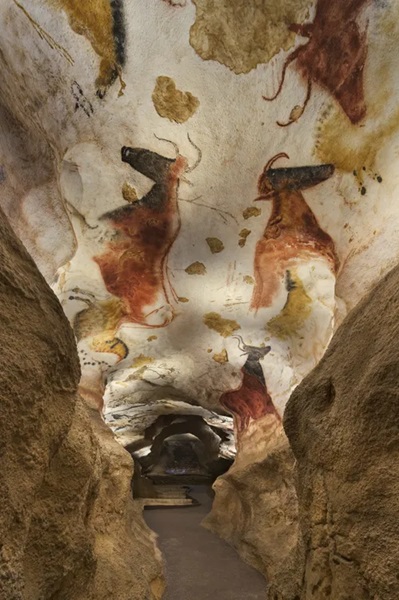
No visit to the Dordogne is complete without experiencing Lascaux IV, a breathtaking modern replica of the original Lascaux cave, located near Montignac. While the original site, discovered in 1940, is now closed to protect its fragile contents, Lascaux IV offers an incredibly detailed recreation using advanced 3D scanning and laser imaging.
Inside the vast, immersive complex, you’ll find more than 600 painted animals—including bulls, horses, and deer—rendered with astounding realism. Multimedia exhibits, virtual reality, and multilingual guided tours make the experience accessible and engaging for all ages.
Why visit:
UNESCO-listed as part of the Vézère Valley
Climate-controlled, year-round access
Excellent visitor facilities and family-friendly
Combine with a visit to Montignac’s markets or the nearby Thot animal park
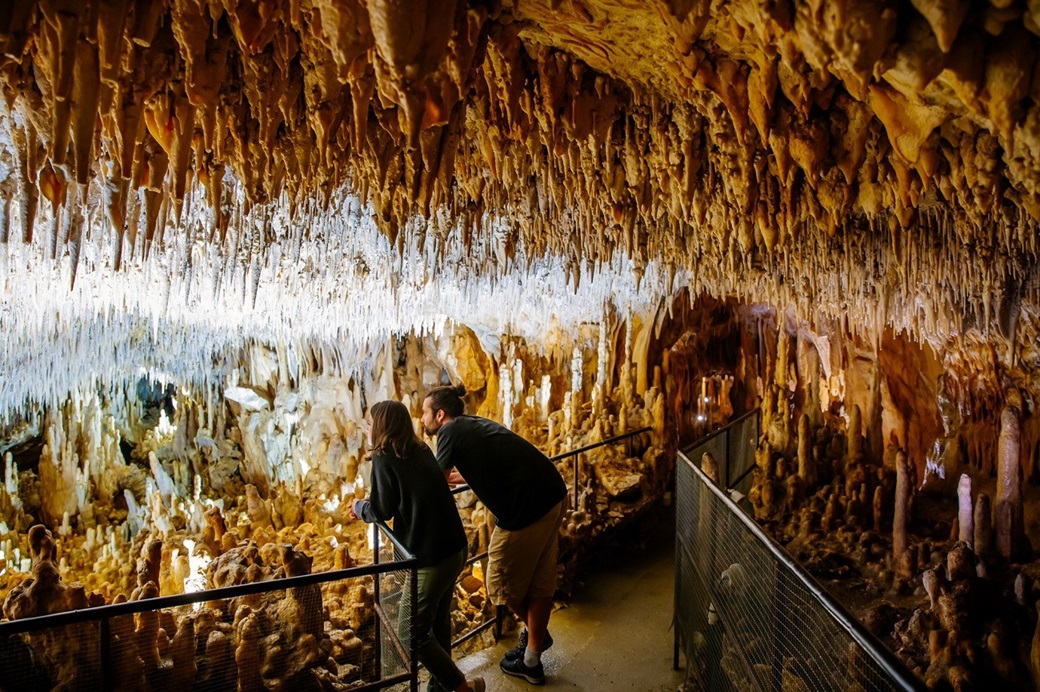
Set in the lush Périgord Vert, the Grotte de Villars is one of the few caves where you can admire both authentic prehistoric art and spectacular natural formations in a single visit. Inside, centuries of dripping water have created shimmering stalactites, draped columns, and underground lakes.
The cave also features original cave paintings, including a rare depiction of a human figure. These drawings are authentic, unlike those at Lascaux, and they’re displayed in a setting that feels intimate and atmospheric.
Why visit:
One of the rare caves with both natural formations and real prehistoric art
Excellent lighting and pathways throughout
Close to Brantôme, making for a perfect day trip pairing
Guided tours available in English and French
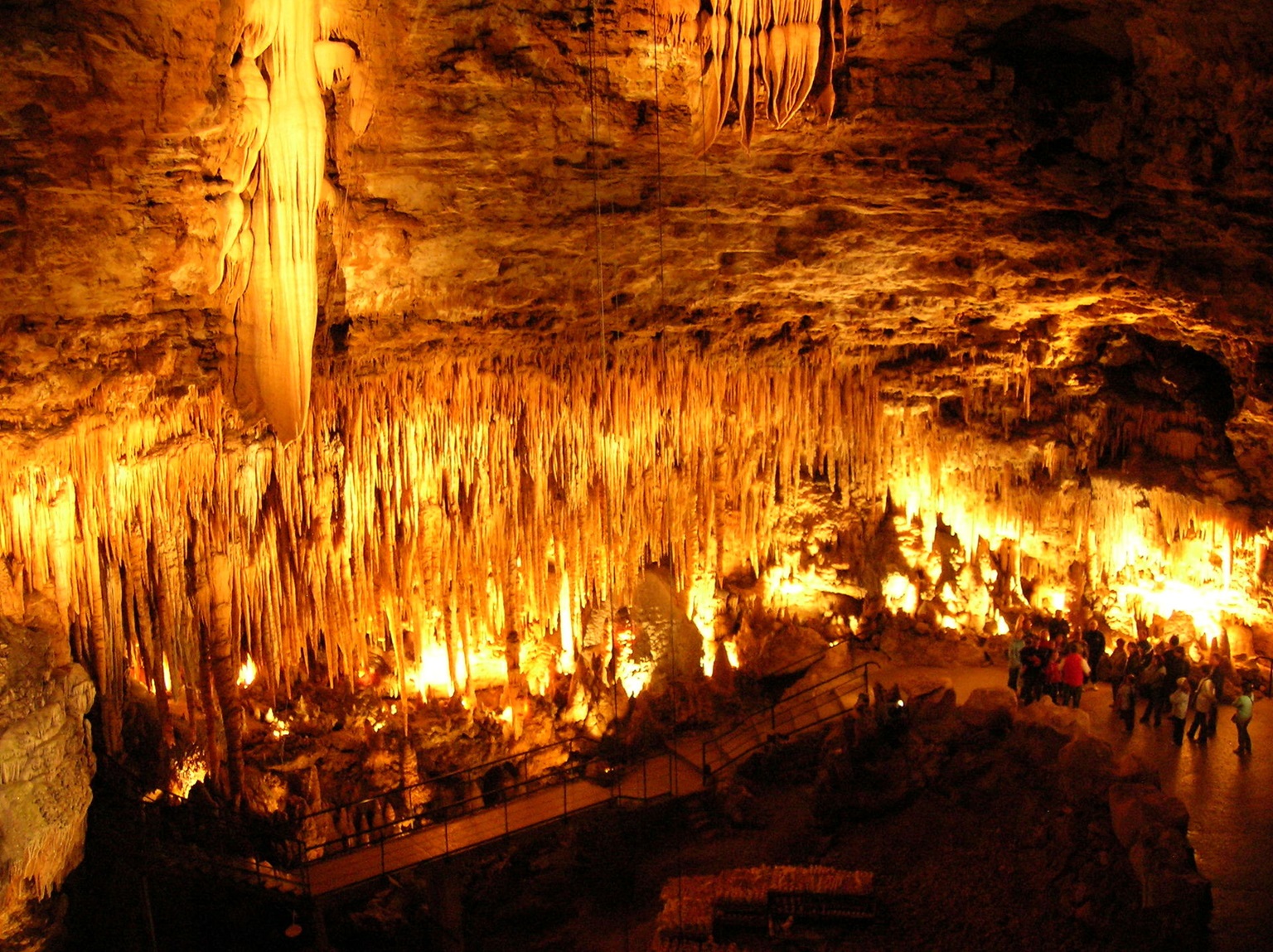
Located near Le Bugue, the Gouffre de Proumeyssac is an immense underground chamber filled with dramatic stalactites and sparkling crystal deposits. Known as the “Cathedral of Crystal,” this geological wonder was once accessed only by a winch and bucket. Today, visitors can descend via staircase or, for an unforgettable experience, in a glass gondola that replicates the original entry.
Sound and light shows highlight the incredible formations and tell the story of the cave’s discovery and preservation. While there’s no prehistoric art here, the sheer scale and beauty of the chamber make it a must-see.
Why visit:
Ideal for families and first-time visitors
Spectacular visual and acoustic atmosphere
Open year-round, with seasonal events and family discounts
Combine with nearby attractions like Le Bugue’s aquarium or Le Bournat village
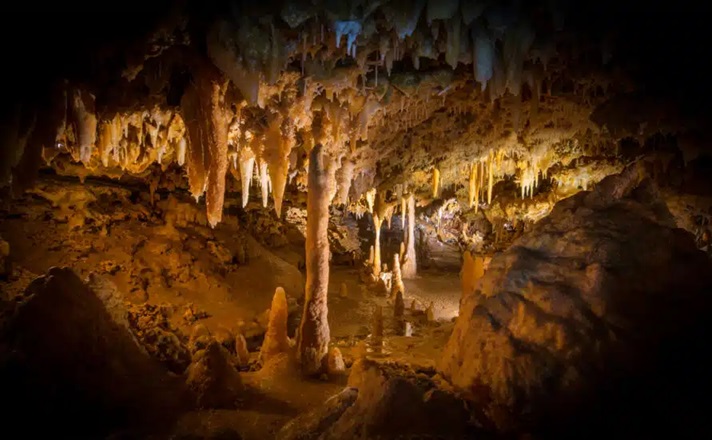
Near Les Eyzies, the Grotte du Grand Roc is a delicate underground world unlike any other. Narrow walkways lead you past curtains of shimmering crystals, translucent needles, and rare formations such as aragonite and helictites that seem to defy gravity.
Though smaller in scale than other sites, Grand Roc offers an up-close, almost magical experience that appeals to both adults and children. The cave is also adjacent to the Laugerie-Basse prehistoric shelter, making it easy to combine geological and archaeological discovery in a single visit.
Why visit:
Unique mineral formations not found in most caves
Compact and manageable for younger visitors
Great pairing with Laugerie-Basse or Les Eyzies’ prehistoric museum
Ideal for photographers and those interested in geology
Although just across the Dordogne border in the Lot department, the Gouffre de Padirac is an unmissable highlight for those exploring the region. This immense chasm plunges over 100 meters into the earth, where visitors descend into a vast cavern system shaped by an underground river. After a short walk through the echoing galleries, you’ll board a small boat and glide through crystal-clear water beneath towering rock ceilings—an experience as magical as it is surreal.
Padirac combines geological drama with smooth visitor access, making it one of the most popular natural attractions in southwest France. From the Grand Dome chamber to the Lac des Gours, every step (and paddle) offers a sense of otherworldly discovery.
Why visit:
One of France’s most iconic and accessible cave systems
Includes a guided underground boat ride through a natural river
Family-friendly with excellent facilities
Easily combined with a visit to Rocamadour or as a day trip from north-east Dordogne
